


A basement floor drain that burps wastewater after the washer drains is not usually a one-off nuisance. At TTB Excavating, we look past the clog. A recurring sewer problem often runs deeper. Around McCordsville, IN, we trace the trouble to the underground line before wastewater ends up in a finished room. A clear cause can mean a smaller repair and fewer unpleasant surprises later.
Underground Damage Can Keep Stopping Flow
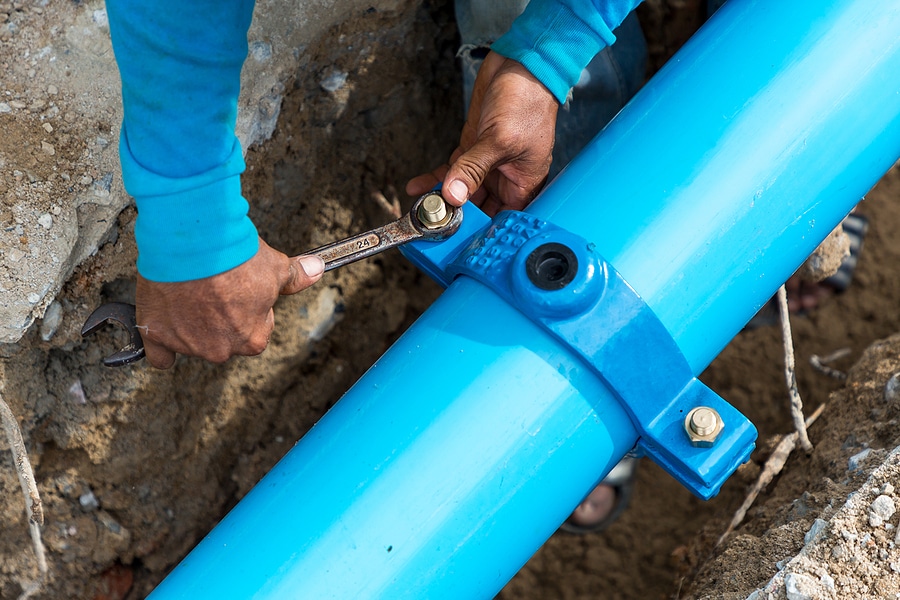
A crack no wider than a pencil can catch paper and give roots a way inside. For sanitary line repairs, we dig where the inspection points. We don’t tear up a whole yard on a guess. Crushed sections, loose joints, and old pipe can all slow or stop the flow. Before the first bucket goes in, we consider depth, driveway access, and nearby landscaping.
- Our damaged-pipe findings: Cracks, collapsed areas, and separated joints create places where waste hangs up.
- Our root findings: Even fine roots can slip through a small opening, then thicken inside the pipe.
- Our buildup findings: Grease, paper, and debris may gradually shrink the open space in the line.
- Our soil findings: Ground movement and aging pipe materials can leave a sewer line out of position or in poor shape.
Why does my sewer keep backing up?
When the same backup returns two or three weeks after a drain was cleared, the line deserves a closer look. We treat that repeat pattern as a warning from farther down the system. Then we identify whether damage, roots, buildup, or another blockage is behind it. The next step follows what we find, not just the last fixture that overflowed.
Signs We Check During a Visit
If the toilet gurgles when the washing machine empties, that detail matters. We note which fixtures react first, how long drains take to recover, and whether the issue reaches more than one room. Odors, wet patches in the yard, and low spots along the sewer route can also point us toward the cause underground.
- Our fixture pattern: Which drain responds first can narrow down where the restriction may be.
- Our yard check: We look for soggy ground, unusual settling, or a patch of grass that behaves differently above the line.
- Our flow history: Dates, repeat intervals, and past drain problems help fill in the picture.
We Choose Digging, Repair, or Replacement Based on the Line
One damaged joint may call for a focused excavation, while a line with several failing spots may be better off replaced. Our excavation services keep the digging and sewer work under the same crew, which helps avoid handoffs between separate jobs. We plan the access route around the affected pipe. We don’t open more ground than the findings call for. If replacement is the better call, we install the new sanitary line at the right grade so wastewater can move as it should.
After a backup, waiting for the next heavy laundry day can feel like a gamble. At TTB Excavating, we handle the inspection findings, digging plan, and line work in one place for McCordsville, IN properties. Call us at (317) 752-8810 or request a free estimate to get started. Get the answer before another drain backs up.